
The world got faster.
The people worth talking to
got quieter.
We're doing something about it — one lunch at a time.
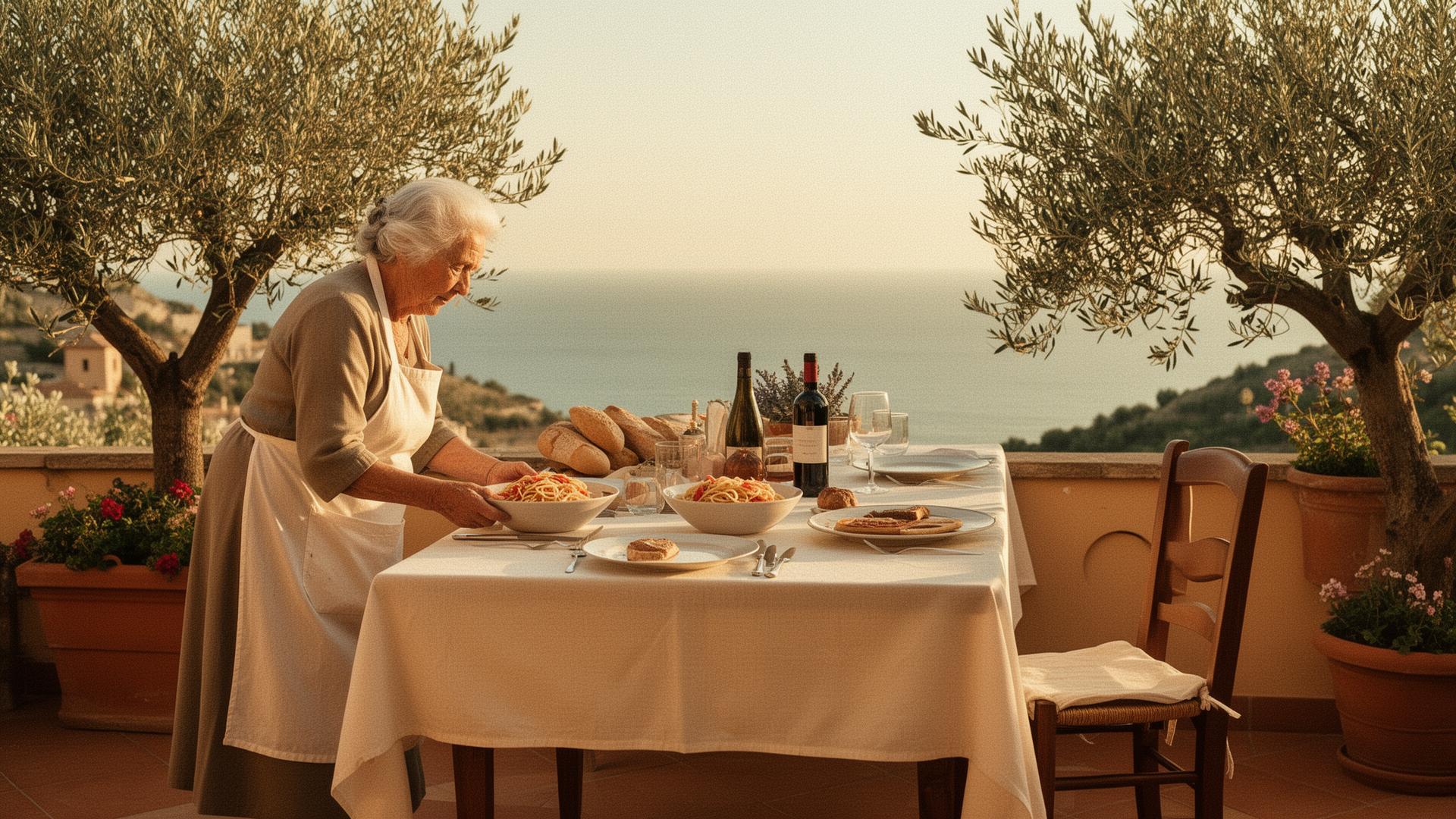
The flight landed. You took the photos. You ate at the place the algorithm recommended. You did the walking tour with the umbrella.
You were surrounded by people the whole trip. You didn't actually meet anyone.
That's not a travel problem. That's a human one.
"You came to know a place. You left having only seen one."
Here's what nobody talks about.
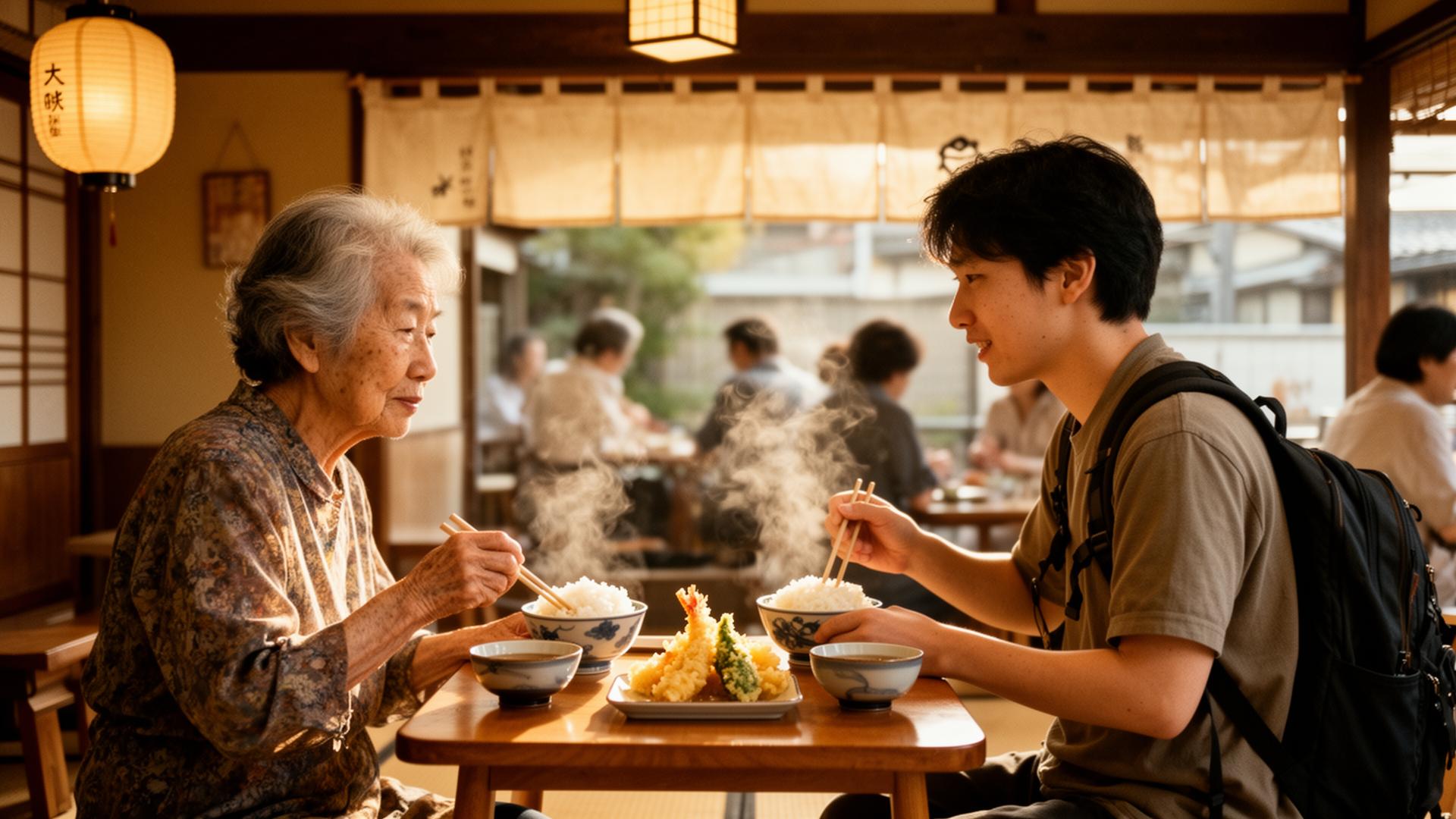
Somewhere in every city you visit, there's a person who has lived there for sixty, seventy, eighty years. They watched the neighborhood change. They know which corner used to be a bakery, which street used to flood every spring, which building's gone quiet since the families moved out.
They know things that aren't in any guidebook, because guidebooks don't sit down with people. They index them.
That person's world has gotten quieter. The kids moved away. The neighborhood went digital and forgot to bring them along. The phone rings less than it used to. The stories they've been carrying for decades — the ones that start at kitchen tables and end with someone leaning in — have fewer and fewer places to land.
They're not sad. They're not broken. They're just… waiting. For a reason to set the table again.
And then there's you.
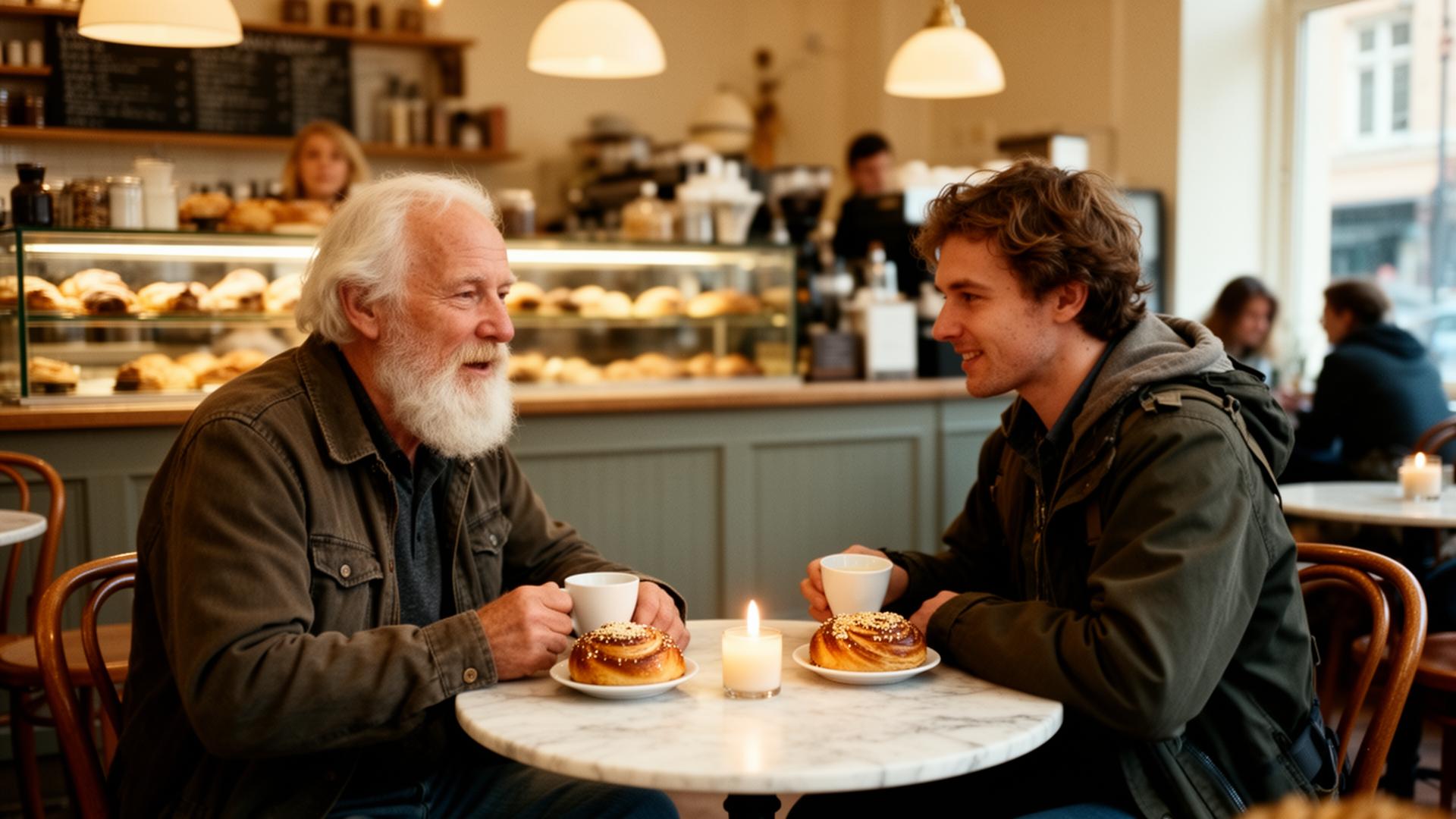
You've earned this trip. You planned it for months. You have the itinerary, the hotel points, the carry-on packed exactly right. You're ready to see something.
What you actually want — if you're honest — is to feel something. To come home with more than photos. To sit across from your family at dinner and say, "I met this woman in Lisbon. Ninety-one years old. She told me about the day the revolution ended and she knew everything was going to be different." And watch your kids go quiet.
That's not on any itinerary. Nobody packages that. No one has made this easy.
Until now.
"One has all the stories. The other is dying to hear them."
An introduction. That's it.
Not a tour. Not a platform. Not a marketplace. Not a service with a rating system and a refund policy and a logo on a polo shirt.
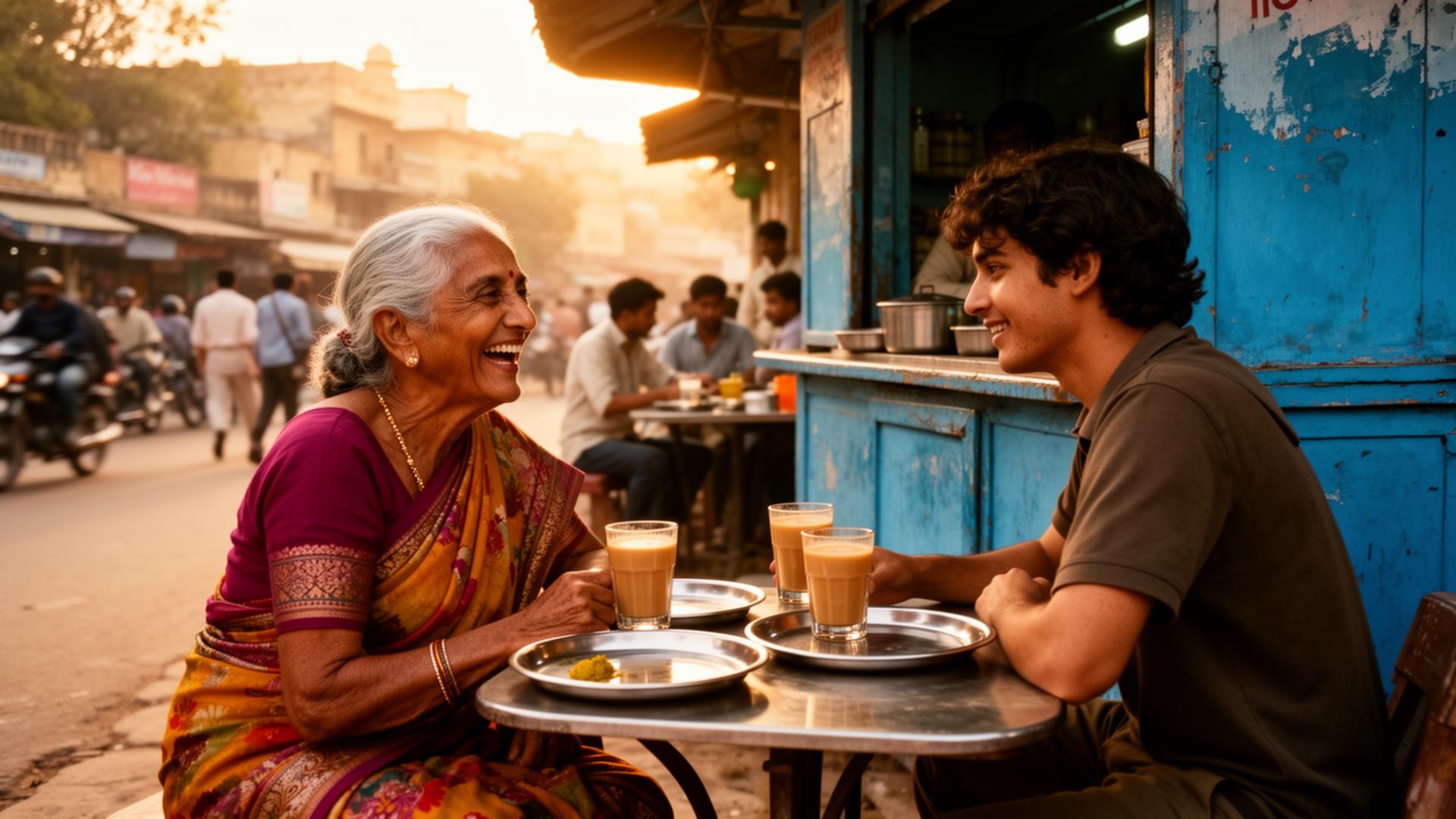
An introduction, arranged by people who care, between a traveler who wants to go deeper and a local who has somewhere deeper to take them. They sit down. They eat. They talk. By the second course, nobody's a stranger.
We are not scaling this.
We match people by hand. A real person reads your form, thinks about who they know, and makes a call. The same way a friend would set you up with someone. Because that's what this is — a friend of a friend, in every city we're in.
The simplicity is not a limitation. The simplicity is the point.
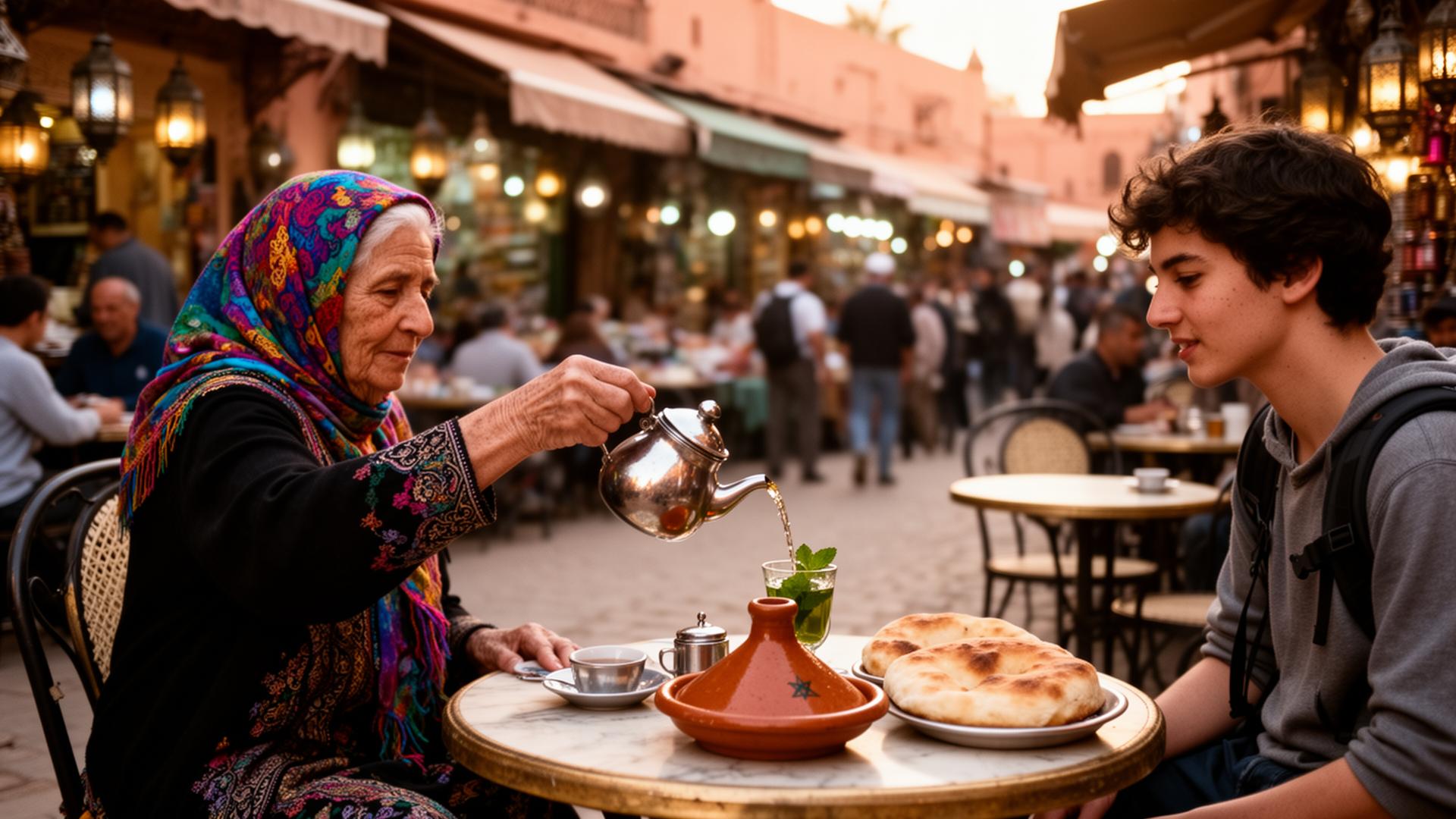
Grandmothers. Retired teachers. Fishermen. Painters. Shopkeepers. A man who spent forty years restoring the same cathedral. A woman who learned to cook from her own grandmother and never wrote a single recipe down.
Most of our locals are over 60. Some are over 80. Every one of them was interviewed by our team, in person, before they ever sat down with a traveler.
They're not guides. They don't have scripts. They have decades.
And here's what we've learned: they don't do this for the money — though the money helps. They do this because someone finally asked.
Being needed is a basic human desire. It makes all of us feel better — especially when it comes back around.
Every traveler who sits across from one of our locals carries a piece of that person's story home with them. That story doesn't disappear. It gets told again — at dinner tables, in living rooms, to children who will remember it for the rest of their lives.
That matters. That might be the most important thing we do.
"Their stories don't disappear with them. Someone heard them. Someone carried them home."
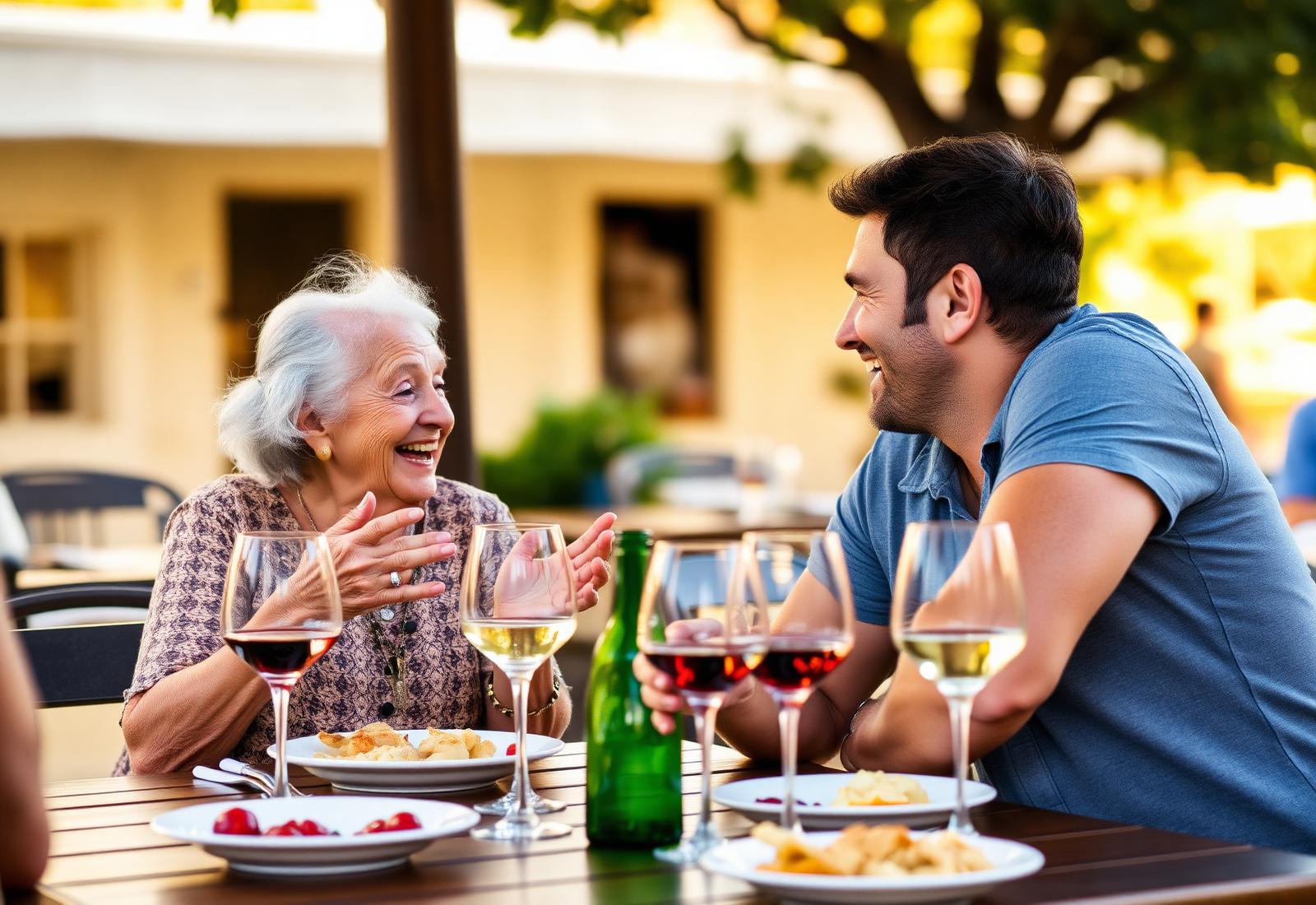
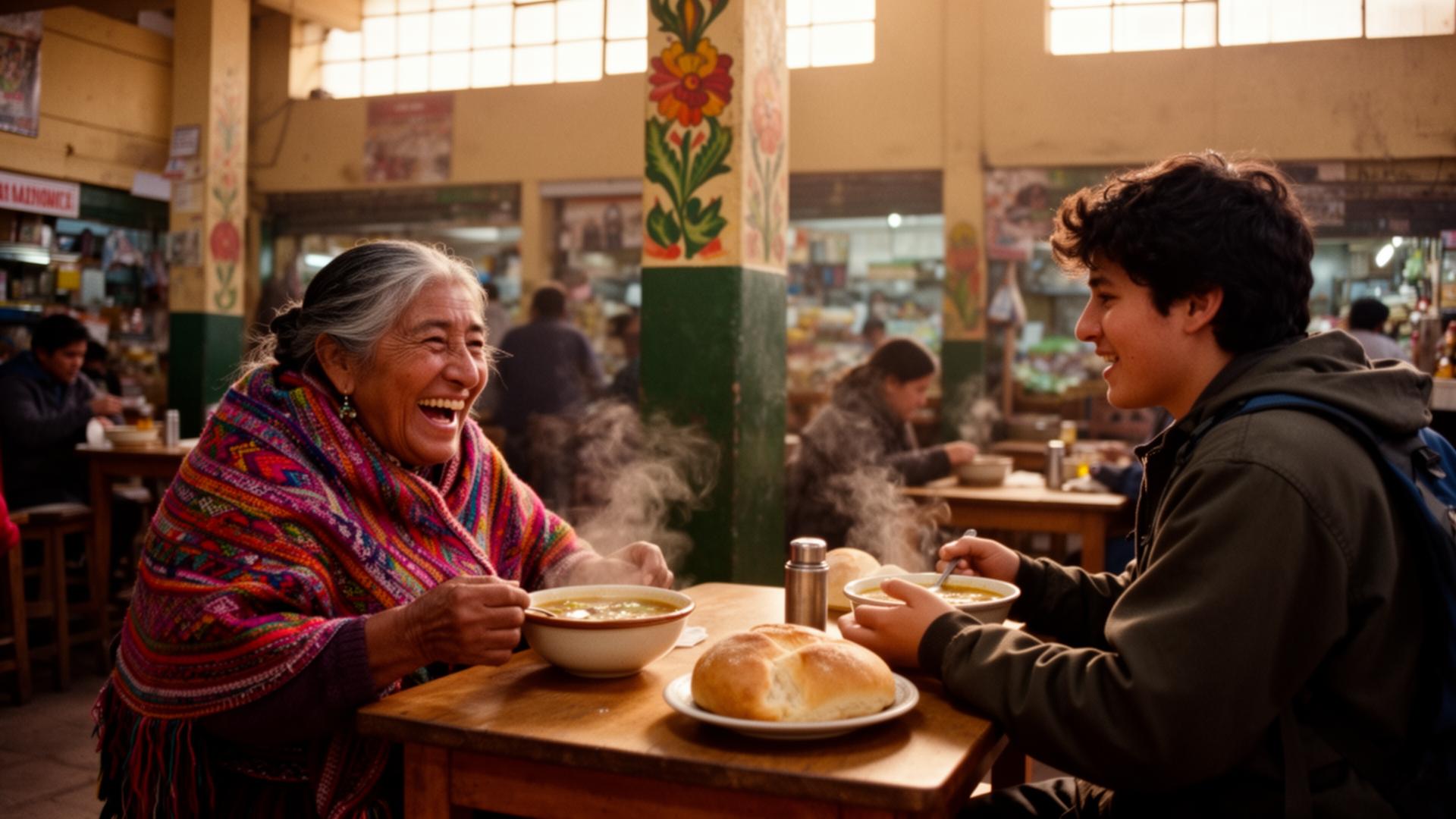
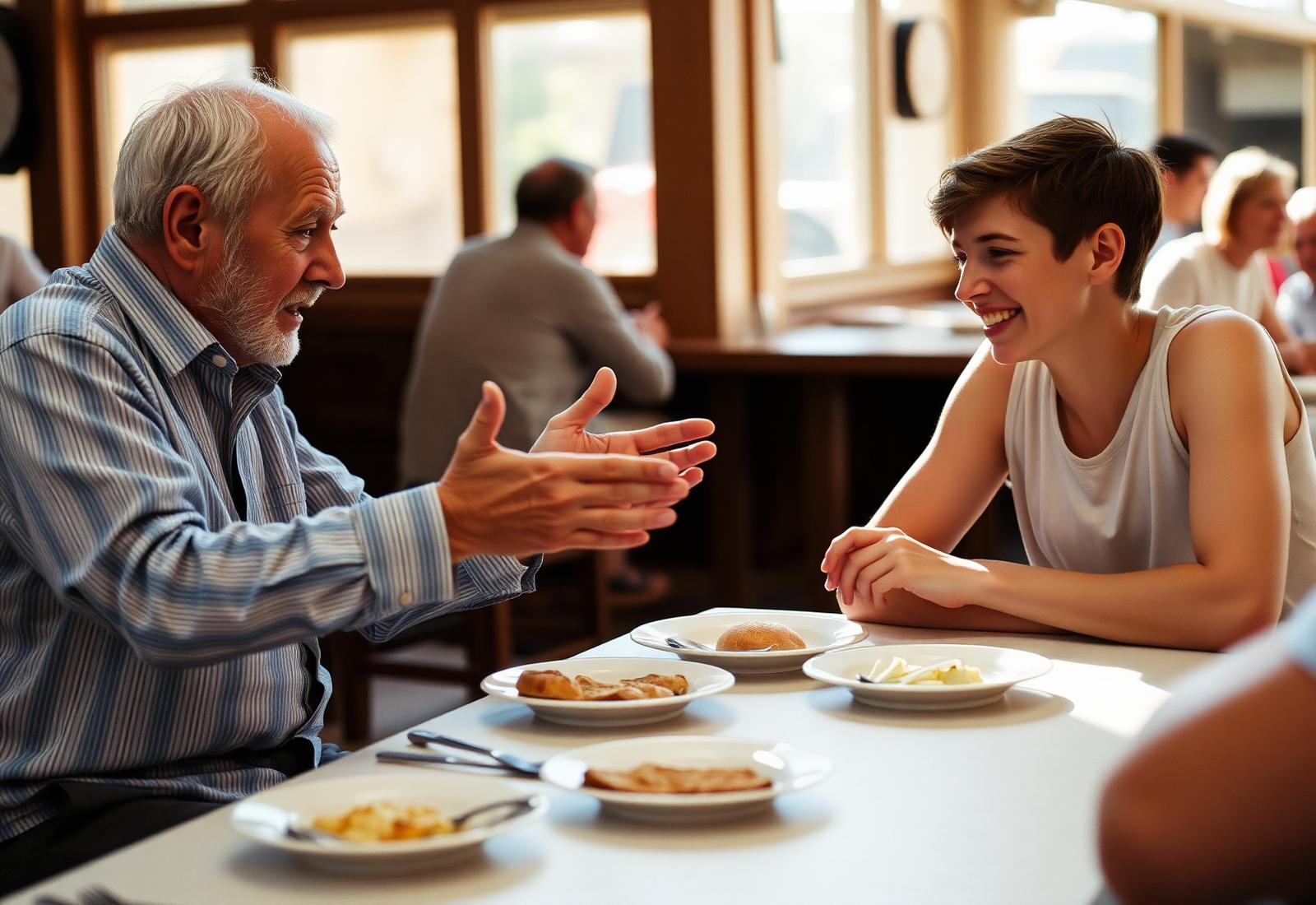
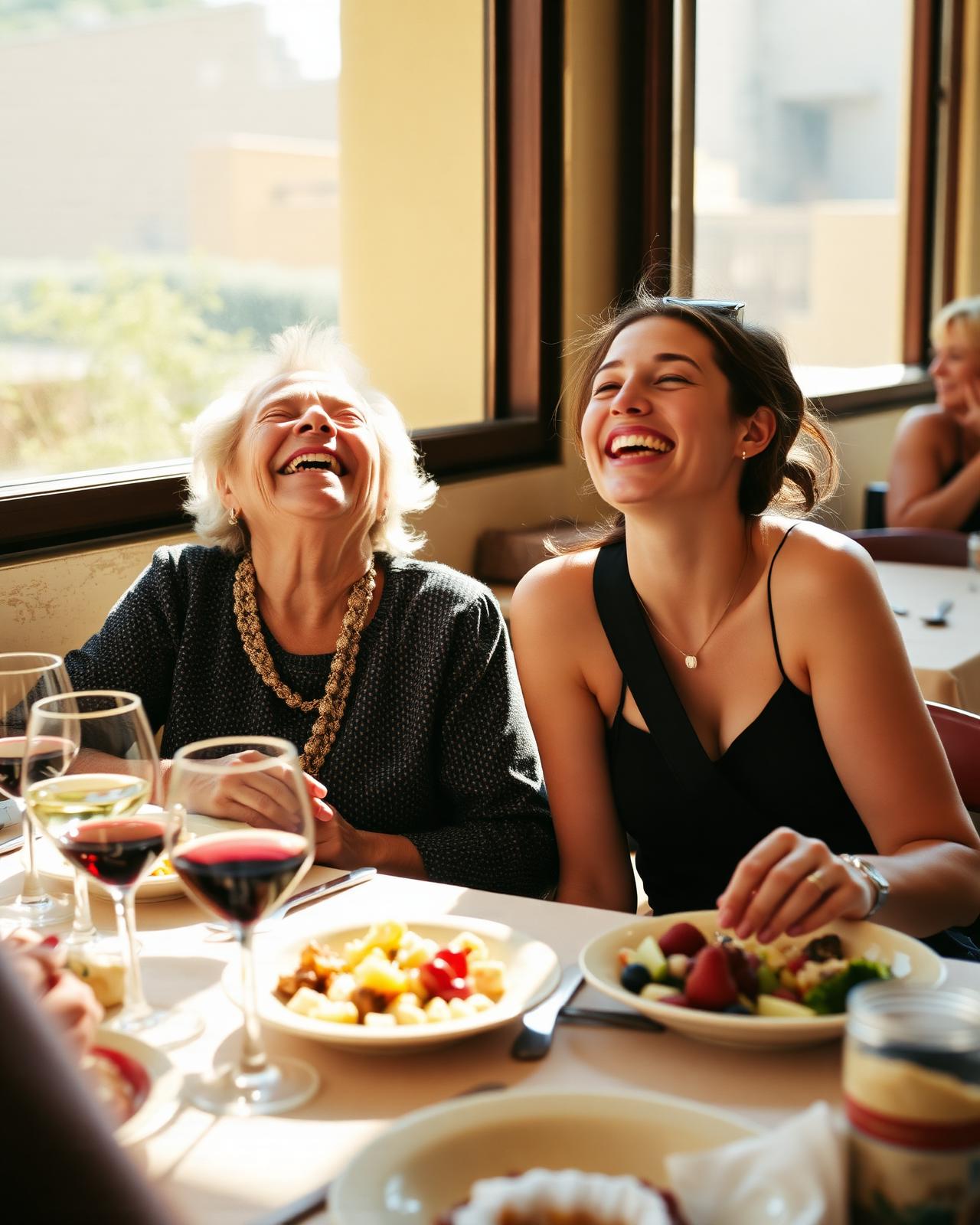
You'll come home with a story. A real one.
Not the kind you scroll past. The kind you tell. The kind where someone at the table puts their fork down and says, wait, tell me more. The kind your kids ask you to tell again.
You'll have a name in your contacts on the other side of the world. A person to write to. A reason to go back.
And you'll have something harder to name — the feeling of having actually been somewhere. Not just having seen it. Been there. Of having sat across from someone who lived through what's in the history books, and heard it in their voice, and understood, finally, what it means to know a place.
Imagine a world where this is just what you do when you travel.
Where sitting with an elder in a city you're visiting is as expected as seeing the famous landmark. Where the exchange goes both ways — the traveler gets depth, the local gets to matter again. Where every trip ends with a person and story in it, not just a place.
That's the world we're trying to make.
Not through an app. Not through scale. Through one lunch at a time, in cities where we know people, matched by humans who understand that the most important thing two strangers can do is sit down together without a clock running.
This is how you know a place.
Not the skyline. Not the museums. The person who's watched it all change from the same chair for sixty years.
"Where sitting with an elder is as expected as seeing the landmark."
It started at a little harborside cafe in Chania, Crete.
In May 2026, Kevin and I were sitting there on our last night before flying home. I told Kev that I had gotten to do "basically everything" I'd wanted to do and see on our short sporadic trip, but I was bummed I hadn't had the chance to really meet or have a long conversation with a local.
Everywhere we've traveled, the experiences with locals — big or small — have always been the most memorable. With our remaining six hours in Crete, we didn't have time for a full-blown tour where we might have the type of connection I was after. I told him it would be so cool if we could have "lunch with a local."
We both immediately stopped, looked at each other, and repeated it. "Lunch. With. A. Local." Why isn't this a thing? We need to make it a thing.
And from there, our dream sprouted. Linking travelers such as ourselves — people interested in connecting on a deeper level with locals, learning not just the history but the pulse and personality of a place beyond what's shared on large group tours and travel blogs — with locals in travel destinations around the globe. Locals in places often over-run and stressed by heavy extraction-based tourism. Locals in the aging population, who globally are often experiencing the challenges of loneliness and economics.
If we could bridge these two distinct populations, we could not only help those travelers seeking an authentic and responsible travel experience, but also provide locals in those destination locations with additional income, company, and purpose.
Our purpose is multi-faceted. We believe there is a market for this on both sides of the relationship.
— Jess
Make a friend on the other side of the world.
Or be the person someone sits down with. Either way, the story starts here.
Local with stories to share? Become a Local.